


Is vacuum metalizing expensive?
What is Vacuum Metalizing?
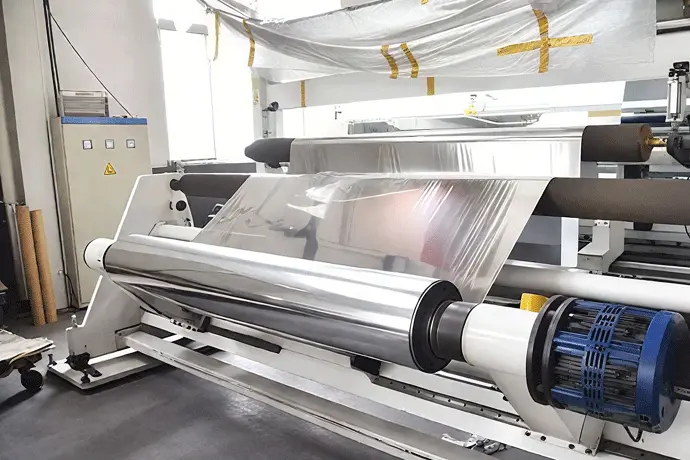
Vacuum metalizing, or vacuum deposition is a specialized form of surface finishing that physically deposits a metal onto a surface in a vacuum chamber. The process typically consists of heating a metal material to vaporization. The vapors condense within the vacuum chamber due to the lack of pressure inside. This creates a layer of condensation on the surface with a thickness ranging from a few nanometers to millimeters.
There are two forms of vacuum metalizing processes:
- Physical Vapor Deposition (PVD): Physical vapor deposition is a vacuum deposition method where the metal vapor is a gas. It applies to semiconductor devices, glass coating, and thin-film solar panels.
- Chemical Vapor Metalizing: Chemical vapor deposition (CVD) uses chemical reaction of vaporized gases to form a vapor on metal that solidifies. It can be further classified into Low-Pressure Chemical Vapor Deposition (LPCVD), Plasma-Enhanced Chemical Vapor Deposition (PECVD), and Plasma-Assisted CVD (PACVD).
Step-by-step Vacuum Metalizing Process
There are six key steps that you need to go through in the vacuum metalizing process:
Surface Preparation
The backbone of any excellent engineering project is proper surface preparation. You need to make sure that there are no risks of contamination during the metalizing process. There are typically strict quality control standards in place for surface treatments. Then, custom fixtures are used to hold your parts steady for the base coating.
Base Coat
With your parts in place, base coating should be applied to yield better, long-lasting results. This primer increases adhesion and abrasion resistance. The base coat process depends on the kind of area requiring coating. Robotic painting works well for high-volume applications, whereas manual work is done on low-volume or one-off projects.
Using Vacuum Chamber
The fixture is then put on a turntable inside a vacuum chamber. This is a closed cell where the metal material, such as aluminum, is fed for evaporation under high vacuum. The temperature inside this chamber varies according to the vapor pressure of the metal considered.
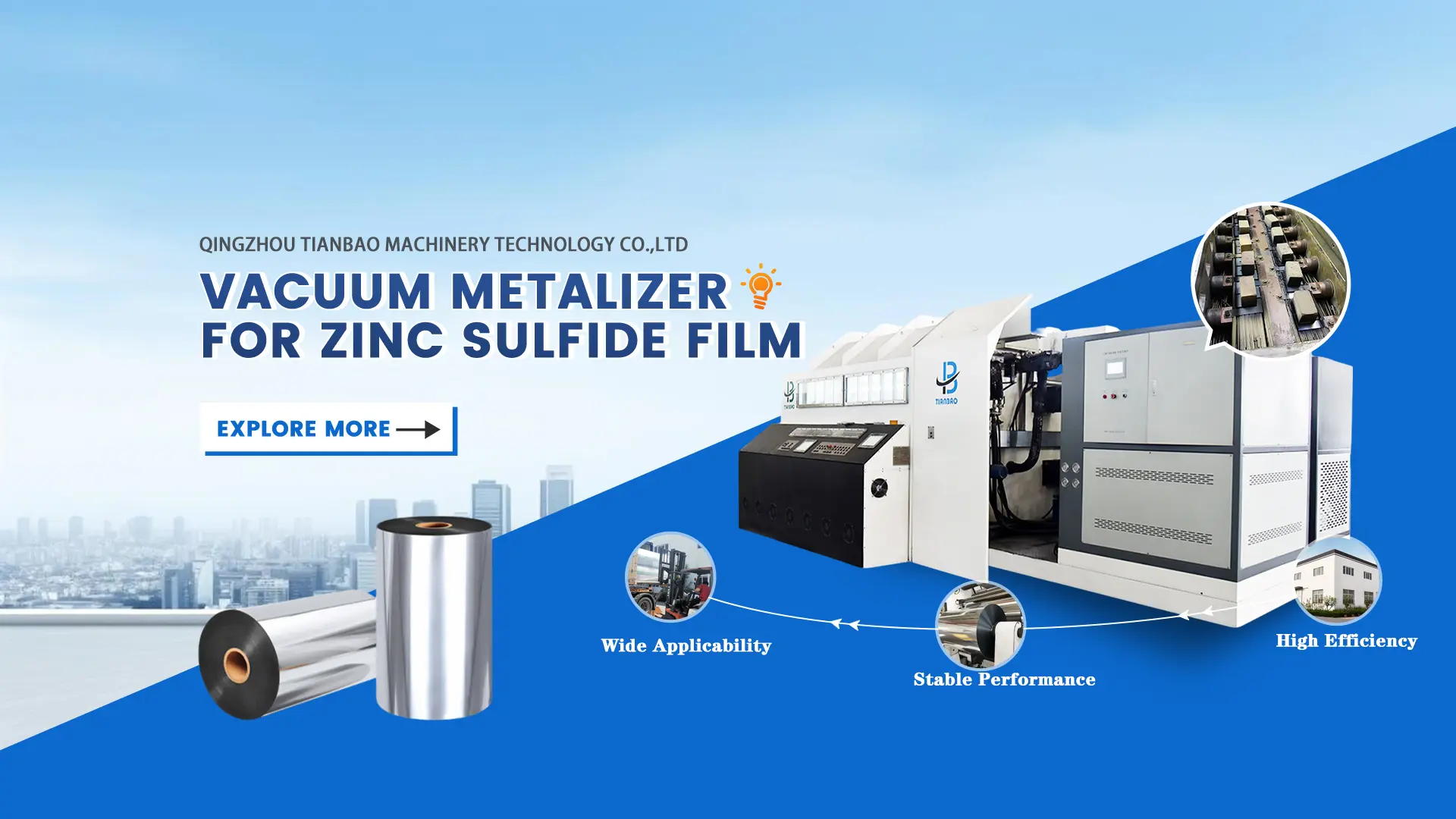
Vacuum chamber
Metal Evaporation
The metal is brought to a boiling point by resistance heating, an electron beam, or plasma heating. The condensation will create vapor that coats the intended surface evenly.
Deposition
The machine holding your fixture in place can be rotated in front of the vapors for even coating. You’ll have greater control over the consistency and thickness you want to maintain in your article.
Protective Coat (Lacquer)
Using a protective coat or lacquer is not a necessary part of this process, but it is crucial in enhancing your end results. It can improve the resistance of the surface to chemicals, moisture, and abrasion, and safeguard against the elements. Tinted or dyed coats can also improve the aesthetics by giving a sophisticated appearance of gold or bronze.
FAQ
- Is vacuum metalizing expensive?
Vacuum metalization is a lot more cost-effective compared to other coating techniques, such as electroplating. It requires less material and energy. This makes it more suitable for large-scale production as well.
- What materials are used in vacuum metalization?
Aluminum, copper, and silver have good electrical conductivity. This makes them the ideal materials to be used in vacuum metalization. However, silver is expensive and copper is prone to oxidation and corrosion. Aluminum is both cost-effective and has high resistance to corrosion, making it the perfect material to be used in the metalization process.
- How does vacuum casting metal work?
Vacuum casting starts by creating a mold and pouring in liquid resins or polymers. You use a vacuum to remove the air from the mold and help the material morph into the desired shape. This process is distinct from vacuum metalizing and is primarily used for plastics.
- Is vacuum plating durable?
Yes. Vacuum plating provides a protective barrier against UV damage, wear and tear, and corrosion. This makes it incredibly durable and creates longer-lasting items.