


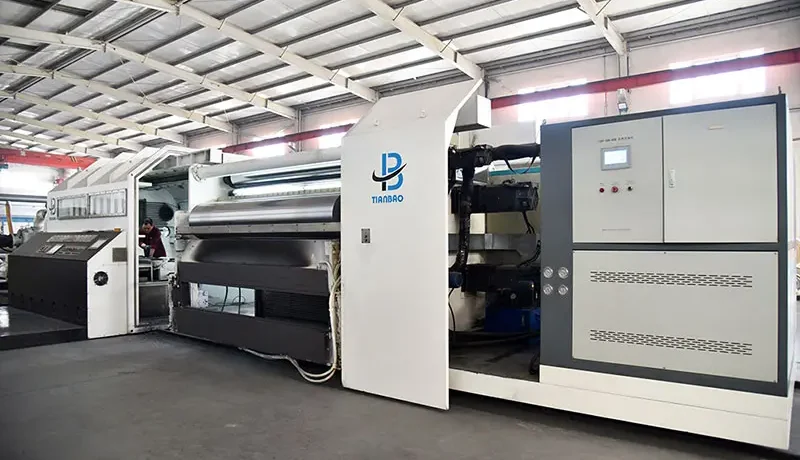
Vacuum Metallizing vs Electroplating: What’s the Difference?
In modern manufacturing, surface finishing plays a crucial role in both product performance and appearance. Two widely used technologies in this field are vacuum metallizing and electroplating. While both processes apply a metallic coating to a surface, they differ significantly in terms of technology, cost, environmental impact, and applications.
In this article, we’ll break down the key differences and help you understand which process is better suited for your needs—especially if you’re considering investing in a Vacuum Metallizer Machine.
What is Vacuum Metallizing?
Vacuum metallizing is a coating process in which metal—typically aluminum—is vaporized inside a vacuum chamber and deposited onto a substrate (such as plastic, glass, or metal).
A Vacuum Metallizer Machine creates a controlled vacuum environment where the metal is heated until it evaporates and then condenses evenly onto the product surface, forming a thin, reflective coating.
Key Features:
- Conducted in a vacuum environment
- Produces thin, uniform coatings
- Commonly used for decorative and reflective finishes
- Suitable for plastics and heat-sensitive materials

What is Electroplating?
Electroplating is an electrochemical process that uses an electric current to deposit metal ions from a solution onto a conductive surface.
Unlike vacuum metallizing, electroplating requires the substrate to be electrically conductive (or pre-treated to become conductive).
Key Features:
- Uses liquid chemical baths
- Requires electrical conductivity
- Produces thicker metal layers
- Often used for corrosion resistance and durability
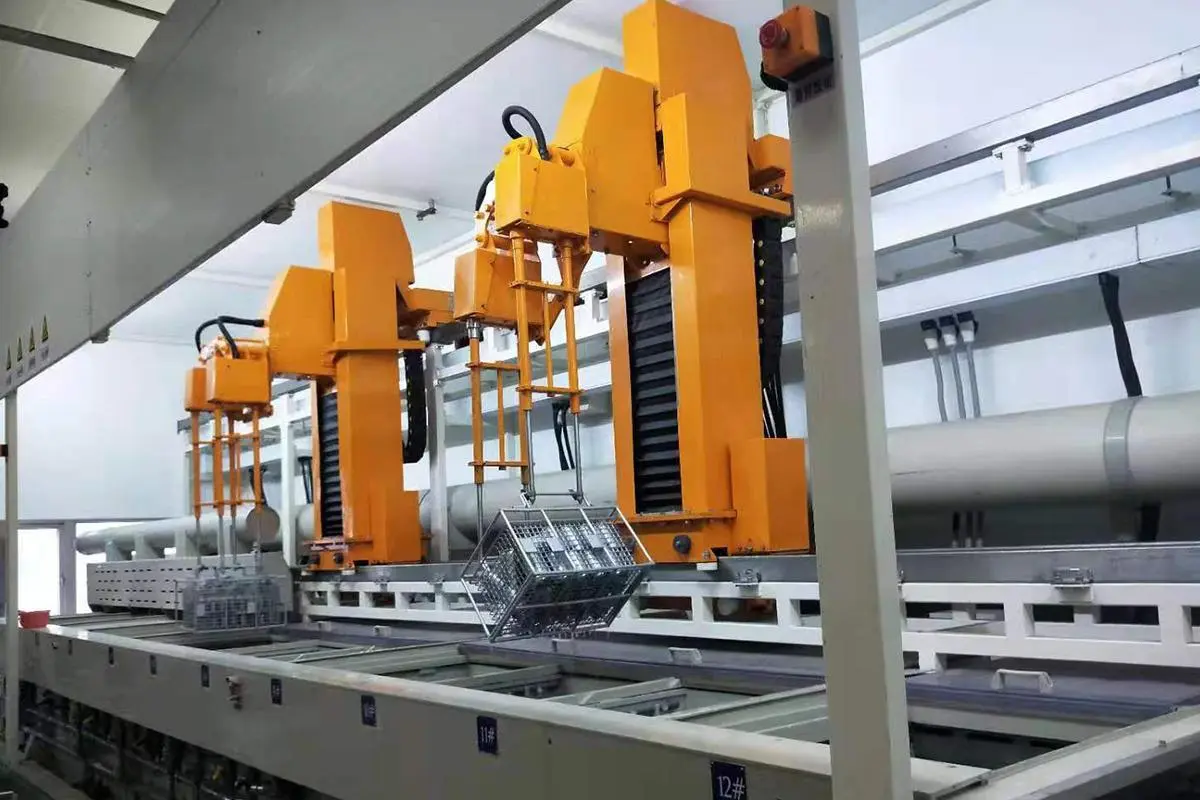
Electroplating
Key Differences Between Vacuum Metallizing and Electroplating
1. Process Technology
- Vacuum Metallizing: Uses physical vapor deposition (PVD) inside a vacuum chamber
- Electroplating: Uses electrochemical reactions in liquid solutions
2. Material Compatibility
- Vacuum Metallizer Machine: Works well with plastics, glass, and metals
- Electroplating: Limited to conductive materials (or requires pre-treatment)
3. Coating Thickness
- Vacuum Metallizing: Thin coatings (micron level)
- Electroplating: Thicker and more robust layers
4. Environmental Impact
- Vacuum Metallizing: More environmentally friendly, minimal chemical waste
- Electroplating: Uses hazardous chemicals and produces wastewater
5. Appearance and Finish
- Vacuum Metallizing: High-gloss, mirror-like finishes (ideal for cosmetics and packaging)
- Electroplating: Metallic but often less reflective
6. Cost and Efficiency
- Vacuum Metallizer Machine: Higher initial investment, lower long-term operating cost
- Electroplating: Lower setup cost, but higher maintenance and waste treatment costs
Applications Comparison
Vacuum Metallizing Applications:
- Cosmetic packaging (perfume bottles, caps)
- Automotive interior trims
- Reflective films and lighting components
- Consumer electronics
Electroplating Applications:
- Automotive parts (chrome plating)
- Jewelry and watches
- Industrial tools and hardware
- Corrosion-resistant coatings
Which One Should You Choose?
Choosing between vacuum metallizing and electroplating depends on your product requirements:
- If you need lightweight, decorative, and eco-friendly coatings, a Vacuum Metallizer Machine is the better choice.
- If your priority is durability, thickness, and corrosion resistance, electroplating may be more suitable.
For industries focused on aesthetics, sustainability, and modern materials like plastic, vacuum metallizing is rapidly becoming the preferred solution.
Conclusion
Both vacuum metallizing and electroplating have their own advantages, but the trend is shifting toward cleaner and more efficient technologies. With growing environmental regulations and demand for high-quality finishes, investing in a Vacuum Metallizer Machine can provide a competitive edge in many industries.