


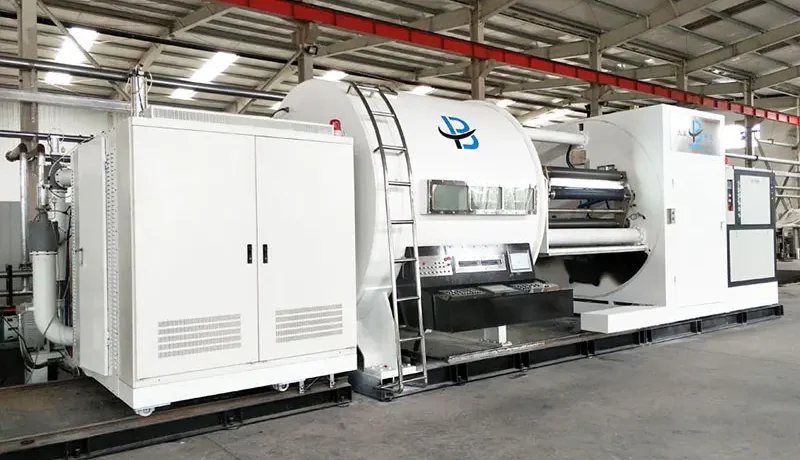
Daily Maintenance Checklist to Extend the Service Life of Your Vacuum Pump System
Why Daily Maintenance Matters in Vacuum Metallizing
In vacuum metallizing operations, the vacuum pump system serves as the foundation of the entire coating process. A stable vacuum environment is essential for achieving high-quality metal deposition, consistent coating performance, and efficient production cycles. However, many unexpected equipment failures can be traced back to inadequate maintenance of critical vacuum components.
Regular inspection and maintenance of vacuum pumps, diffusion pumps, and cold traps can significantly reduce unplanned downtime, improve process stability, and extend the service life of expensive vacuum equipment. Implementing a simple daily maintenance checklist helps operators identify potential issues before they develop into costly breakdowns.
| Task | What to Do | Why It Matters |
|---|---|---|
| Check for leaks, noises, vibrations | Inspect pump body, hoses, lines, and connections; listen for unusual sounds | Early detection prevents catastrophic failures |
| Monitor vacuum level/pressure | Verify operating pressure matches specifications; respond to deviations immediately | Deviations indicate performance issues or contamination |
| Check oil level (oil-lubricated pumps) | Look at oil sight glass or O-rings; top off if needed | Low oil causes overheating and wear |
| Check oil quality | Visually inspect for discoloration, contamination, or foam | Degraded oil reduces lubrication and cooling |
| Clean air-intake filter | Remove dust/debris; replace if clogged | Blocked filters hinder air intake and reduce efficiency |
| Inspect exhaust silencer | Check for dust buildup; clean or replace if necessary | Ensures smooth exhaust flow |
| Check bearing temperature | Verify temperature ≤ ambient + 35°C (max 80°C) | Overheating indicates lubrication or alignment issues |

1. Inspect the Mechanical Vacuum Pump
The mechanical vacuum pump is typically the first stage of the vacuum generation system and operates continuously throughout production.
Daily Inspection Items
- Check the oil level and ensure it remains within the recommended range.
- Observe the oil condition for discoloration, contamination, or emulsification.
- Listen for unusual noises, vibration, or abnormal operating sounds.
- Inspect seals, fittings, and pipelines for oil leakage.
- Verify that the pump reaches its specified vacuum level within the normal pumping time.
Maintenance Benefits
Clean oil and proper lubrication reduce internal wear, improve pumping efficiency, and prevent overheating. Early detection of leaks or abnormal noises can prevent major mechanical failures and costly production interruptions.
2. Monitor Diffusion Pump Performance
The diffusion pump plays a critical role in achieving the high-vacuum conditions required for vacuum metallizing processes. Poor maintenance can directly affect coating quality and vacuum stability.
Daily Inspection Items
- Verify that the diffusion pump reaches normal operating temperature.
- Check the heating system and power supply connections.
- Monitor vacuum readings for signs of reduced pumping efficiency.
- Inspect cooling water flow and temperature.
- Look for signs of backstreaming or contamination inside the chamber.
Maintenance Benefits
Maintaining proper operating temperatures and cooling conditions helps preserve diffusion pump oil quality and ensures consistent high-vacuum performance. Routine monitoring can prevent contamination-related defects and costly production losses.
3. Check the Cold Trap Condition
Cold traps protect the vacuum system by capturing condensable vapors, process residues, and contaminants before they reach the diffusion pump.
Daily Inspection Items
- Examine the trap for accumulated deposits and contaminants.
- Verify that the cooling system is functioning properly.
- Check for frost buildup or excessive condensation.
- Ensure that drainage systems remain clear and unobstructed.
- Confirm that the cold trap temperature meets process requirements.
Maintenance Benefits
A clean and efficient cold trap reduces contamination risks, protects diffusion pump oil, and improves overall vacuum system efficiency. Regular cleaning prevents restrictions that can negatively affect pumping performance.
4. Inspect Vacuum Lines and Connections
Even minor leaks can significantly reduce vacuum efficiency and increase cycle times.
Daily Inspection Items
- Check vacuum hoses, flanges, and seals for wear or damage.
- Verify that all connections remain tight and secure.
- Look for signs of cracking, aging, or deformation in sealing components.
- Monitor vacuum pressure trends for indications of leakage.
Maintenance Benefits
Leak prevention helps maintain stable process conditions, reduces energy consumption, and shortens pump-down times.
5. Monitor System Operating Parameters
Recording daily operating data provides valuable insights into equipment health.
Parameters to Track
- Ultimate vacuum level
- Pump-down time
- Diffusion pump temperature
- Cooling water temperature and flow rate
- Vacuum pump oil condition
- Chamber pressure stability
Maintenance Benefits
Trend analysis helps maintenance teams identify gradual performance degradation before it affects production quality or causes unexpected shutdowns.
6. Maintain a Preventive Maintenance Log
A documented maintenance program is one of the most effective ways to maximize equipment reliability.
Recommended Records
- Daily inspection results
- Oil replacement schedules
- Diffusion pump maintenance history
- Cold trap cleaning intervals
- Vacuum leak test records
- Component replacement dates
Accurate maintenance records support predictive maintenance planning and help reduce long-term operating costs.
The Cost of Neglecting Vacuum System Maintenance
Failure to regularly inspect vacuum pumps, diffusion pumps, and cold traps can lead to:
- Extended production downtime
- Increased maintenance expenses
- Reduced coating quality
- Vacuum instability
- Premature equipment failure
- Higher energy consumption
The financial impact of an unexpected vacuum system failure often exceeds the small investment required for routine preventive maintenance.
Conclusion
A well-maintained vacuum pump system is essential for reliable vacuum metallizing production. By performing daily inspections of mechanical vacuum pumps, diffusion pumps, cold traps, and vacuum connections, manufacturers can significantly extend equipment service life while minimizing costly downtime.
Preventive maintenance not only protects critical vacuum components but also improves coating consistency, production efficiency, and overall operational profitability. Establishing a disciplined daily maintenance routine is one of the most effective investments any vacuum metallizing facility can make.