


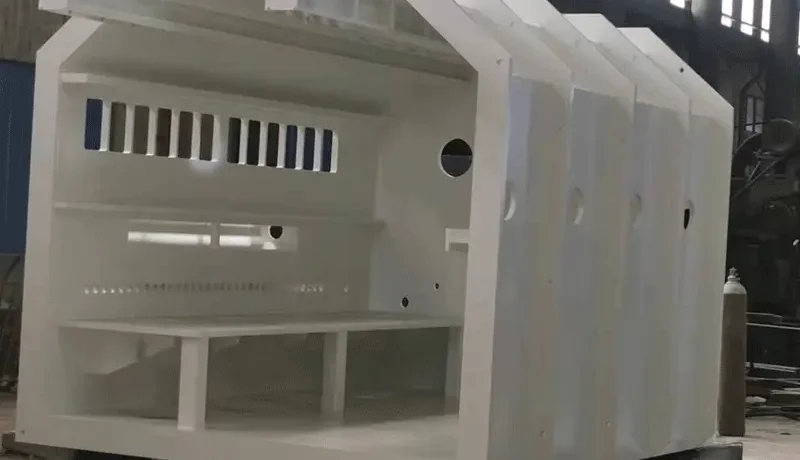
Intelligent and Automated Technologies in Vacuum Coating Equipment
In recent years, the vacuum coating industry has undergone a major transformation driven by intelligent and automated technologies. As industries such as electronics, optics, automotive, and renewable energy demand higher precision, consistency, and efficiency, manufacturers are increasingly integrating smart systems into coating equipment. This shift is not only improving product quality but also redefining how coating processes are managed and optimized.
1. The Evolution from Manual to Intelligent Systems
Traditional vacuum coating processes relied heavily on manual operation and operator experience. Parameters such as pressure, temperature, and deposition rate were often adjusted based on trial and error. While this approach worked in the past, it limited scalability and introduced variability.
Today, intelligent systems powered by sensors, data analytics, and automation software allow coating equipment to operate with minimal human intervention. These systems can monitor, analyze, and adjust process parameters in real time, ensuring consistent results across production batches.
2. Key Technologies Driving Automation
a. Advanced Sensor Integration
Modern coating machines are equipped with high-precision sensors that continuously monitor:
- Vacuum levels
- Substrate temperature
- Film thickness
- Plasma density
These sensors provide real-time data, forming the foundation for intelligent decision-making.
b. PLC and Industrial Control Systems
Programmable Logic Controllers (PLCs) and industrial PCs are widely used to automate coating sequences. From chamber evacuation to deposition and cooling, the entire process can be pre-programmed and executed with high repeatability.
c. Artificial Intelligence and Machine Learning
AI algorithms are increasingly being used to:
- Predict optimal process parameters
- Detect anomalies and defects early
- Optimize coating uniformity and material usage
Machine learning models can analyze historical production data and continuously improve process performance.
3. Real-Time Process Control and Optimization
One of the most significant advantages of intelligent coating systems is real-time control. Instead of relying on static settings, automated systems can dynamically adjust parameters during operation.
For example:
- If film thickness deviates from the target, the system can automatically adjust deposition power.
- If vacuum pressure fluctuates, pumps and valves are regulated instantly.
This closed-loop control significantly enhances coating precision and reduces waste.
4. Predictive Maintenance and Equipment Reliability
Automation is not limited to production—it also plays a crucial role in equipment maintenance.
Through data monitoring and predictive analytics, intelligent systems can:
- Identify early signs of component wear
- Predict potential failures before they occur
- Schedule maintenance proactively
This reduces unexpected downtime and extends the lifespan of critical components such as vacuum pumps and power supplies.
5. Robotics and Automated Material Handling
In high-volume manufacturing environments, robotics are increasingly used for:
- Loading and unloading substrates
- Transferring materials between chambers
- Reducing contamination caused by human handling
Automated handling systems improve efficiency, ensure cleanliness, and enhance workplace safety.
6. Benefits of Intelligent and Automated Coating Systems
The integration of smart technologies brings several key advantages:
- Improved Consistency: Reduced human error ensures uniform coating quality
- Higher Efficiency: Faster cycle times and optimized resource usage
- Cost Reduction: Lower material waste and maintenance costs
- Scalability: Easier transition from small-scale to mass production
- Data Traceability: Complete records for quality control and compliance
7. Challenges and Considerations
Despite the benefits, adopting intelligent systems comes with challenges:
- High initial investment costs
- Need for skilled personnel to manage and maintain systems
- Integration complexity with existing equipment
- Cybersecurity risks in connected systems
Companies must carefully plan their digital transformation strategies to maximize return on investment.
8. Future Outlook
The future of vacuum coating lies in deeper integration with Industry 4.0 concepts. Smart factories, cloud connectivity, and digital twins will further enhance automation capabilities.
In the coming years, we can expect:
- Fully autonomous coating lines
- Remote monitoring and control via cloud platforms
- Greater use of AI for process innovation
- Integration with IoT ecosystems
Conclusion
Intelligent and automated technologies are reshaping the vacuum coating industry. By enabling real-time control, predictive maintenance, and data-driven optimization, these advancements are setting new standards for efficiency and quality.
For manufacturers looking to stay competitive, investing in smart coating solutions is no longer optional—it is essential.