


PVD vs. CVD vs. Electroplating: Why Vacuum Metallizing is the Greener Alternative
In 2026, sustainability is no longer just a buzzword—it is a regulatory requirement and a competitive advantage. For manufacturers in the packaging, automotive, and electronics industries, choosing the right coating technology is a critical decision that impacts both product quality and environmental footprint.
When comparing the three major coating methods—PVD (Physical Vapor Deposition/Vacuum Metallizing), CVD (Chemical Vapor Deposition), and Electroplating—one stands out as the clear leader in green manufacturing. Here is why vacuum metallizing (PVD) is the most sustainable choice for the modern era.
1. Zero VOCs: Clean Air for a Clean Future
Volatile Organic Compounds (VOCs) are a significant source of air pollution and a major health hazard in industrial environments. Many traditional coating and painting processes rely on solvents that release VOCs during application and curing.
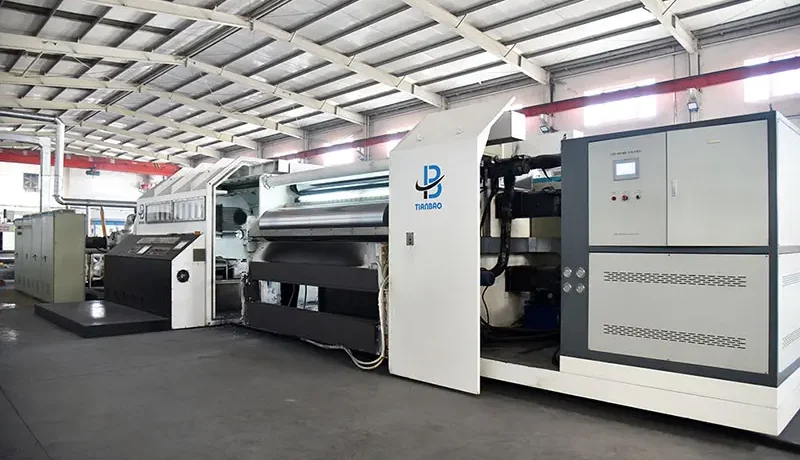
The Vacuum Metallizing Advantage: Vacuum metallizing is a purely physical process. Inside a high-vacuum chamber, pure metal is vaporized and deposited onto the substrate. There are zero solvents, zero hazardous gases, and zero VOC emissions. This makes PVD systems, such as our Fully Automatic Suspension Vacuum Coating Machines, inherently compliant with even the strictest global air quality regulations (like the Clean Air Act or REACH).
2. PVD vs. Electroplating: A “Dry” vs. “Wet” Battle
Electroplating has been the industry standard for decades, but its environmental cost is staggering. The process involves submerging parts in “wet” chemical baths that often contain toxic substances like cyanide, acids, and hexavalent chromium (a known carcinogen).
- Water Consumption: Electroplating requires massive amounts of water for rinsing and chemical baths. Vacuum metallizing is a dry process that uses virtually no water, preserving this precious resource.
- Toxic Waste: Electroplating produces hazardous sludge and toxic wastewater that require expensive, energy-intensive treatment. In contrast, vacuum metallizing produces no toxic runoff and leaves behind only a small amount of solid, recyclable metal scrap.
- Worker Safety: By eliminating the need for open chemical vats, PVD significantly improves the safety and health of the factory floor.
3. PVD vs. CVD: Physical Purity vs. Chemical Complexity
Chemical Vapor Deposition (CVD) is often used for high-performance coatings, but it relies on chemical reactions between precursor gases. These gases—such as silane or metal-halides—are often flammable, toxic, or corrosive.
4. Sustainability Scorecard: At a Glance
5. Compliance as a Competitive Edge
Global brands are increasingly auditing their supply chains for environmental compliance. By switching to vacuum metallizing, manufacturers can:
- Simplify Permitting: PVD facilities often require fewer environmental permits and lower insurance premiums due to the absence of hazardous chemicals.
- Boost Brand Value: “Eco-friendly” and “Green-certified” products command a premium in the 2026 market.
- Export Ready: PVD-coated products easily meet international standards like RoHS and REACH, ensuring your products can be sold in any market worldwide.
Conclusion: The Path Forward is Green
The transition from traditional, polluting coating methods to vacuum metallizing is not just an environmental choice—it is a smart business decision. By eliminating VOCs, reducing water waste, and ensuring compliance, PVD technology provides a sustainable path for industrial growth.
At Vacuum Metallizer Solutions, we are committed to engineering the future of green coating. Our machines are designed to help you meet your production goals while upholding your environmental responsibilities.
Switch to a greener coating solution today. Explore our Sustainable Metallizing Equipment or Contact our Sustainability Consultants.